“Service to others is the rent you pay for your room here on earth.”
Muhammad Ali
“Service to others is the rent you pay for your room here on earth.”
Muhammad Ali
At school and university, you are given the lesson, then you write the test.
At work and with most things in the real world you are tested, and then you learn the lesson.

It’s a gift to work with smart and compassionate people. I learn so much from being proximate. I also pay it forward by copying and replicating their leadership traits. I mimic behaviors I see every day.
The gift of interacting with a transactional, cowardly, and selfish person is that the experience gives me a great example of what not to do and how to act.
Learn from the best and choose wisely what traits replicate.
Birds of a feather flock together.

If you watch the news, you’d probably think it’s getting bad out there, especially with the recency bias from the last 18 months with Covid on everyone’s mind. So take a step back and look at these positive trends for Extreme Poverty, Education, Literacy, Democracy, Vaccinations, and Child Mortality. I’ll bet this looks even better when updating through 2022.
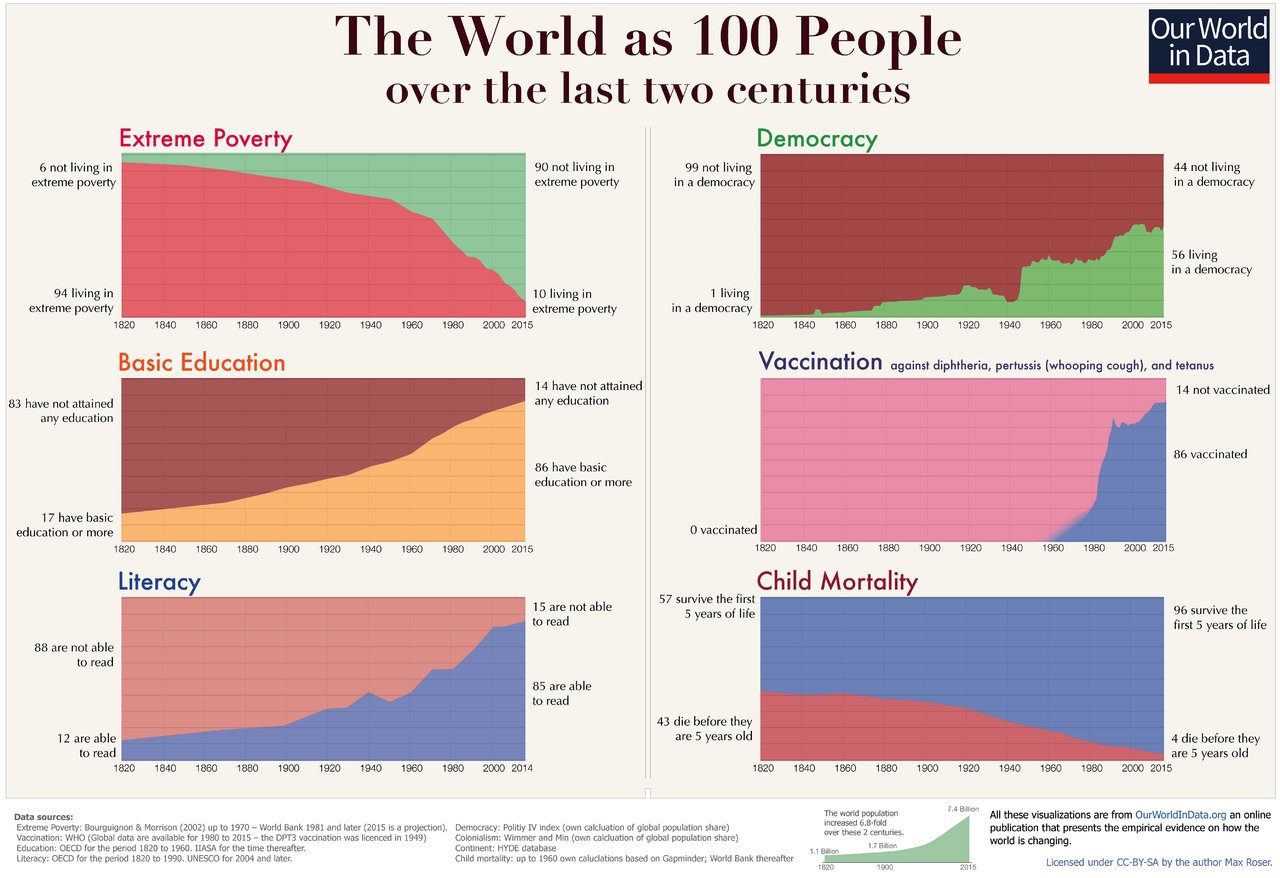
There’s more insights here at OurWorldInData.org
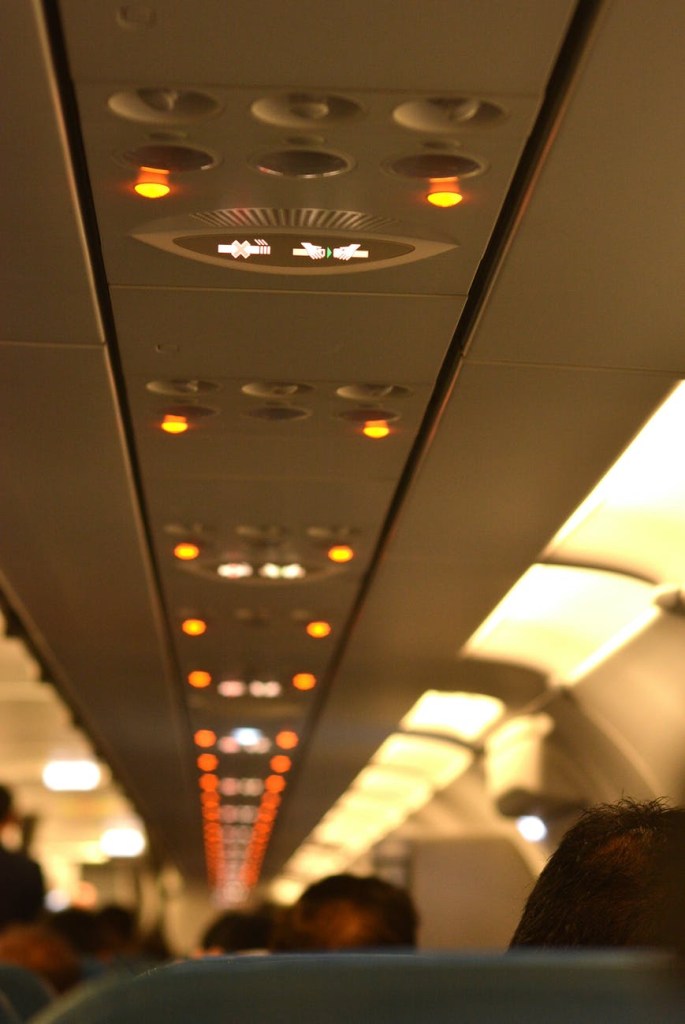
The post-Covid reunion videos on Facebook and Twitter are going to be like those “military coming home” videos where the soldier surprises family members at a school or at work. There is a lot of emotion welled up here that’s going to hit a release valve when the world’s seatbelt goes off and people are free to move about the cabin again.
The downside of success is hubris. Hubris tricks intelligent people into thinking there’s no downside or chance of losing and that luck didn’t play a big role in their win.
The downside of failure, other than failing, is that it tricks smart and persistent people into thinking they made dumb decisions and don’t factor in bad luck and shitty timing.
Annie Duke’s book called Thinking in Bets is the best book about how to learn from success and failure.
I remember acts of kindness. I remember the moment, the person, and the way I felt.
Whether it was someone checking in on me when things were touch and go or a small gesture that unlocked doors in my life, the moments imprint on me and make me want to be better.
Could you pay it forward and be kinder?

You learn priceless stuff about yourself and get a unique perspective that only other immigrants and explorers know about when you leave your place of birth and arrive on distant shores with a suitcase, no family, no network, and no context.

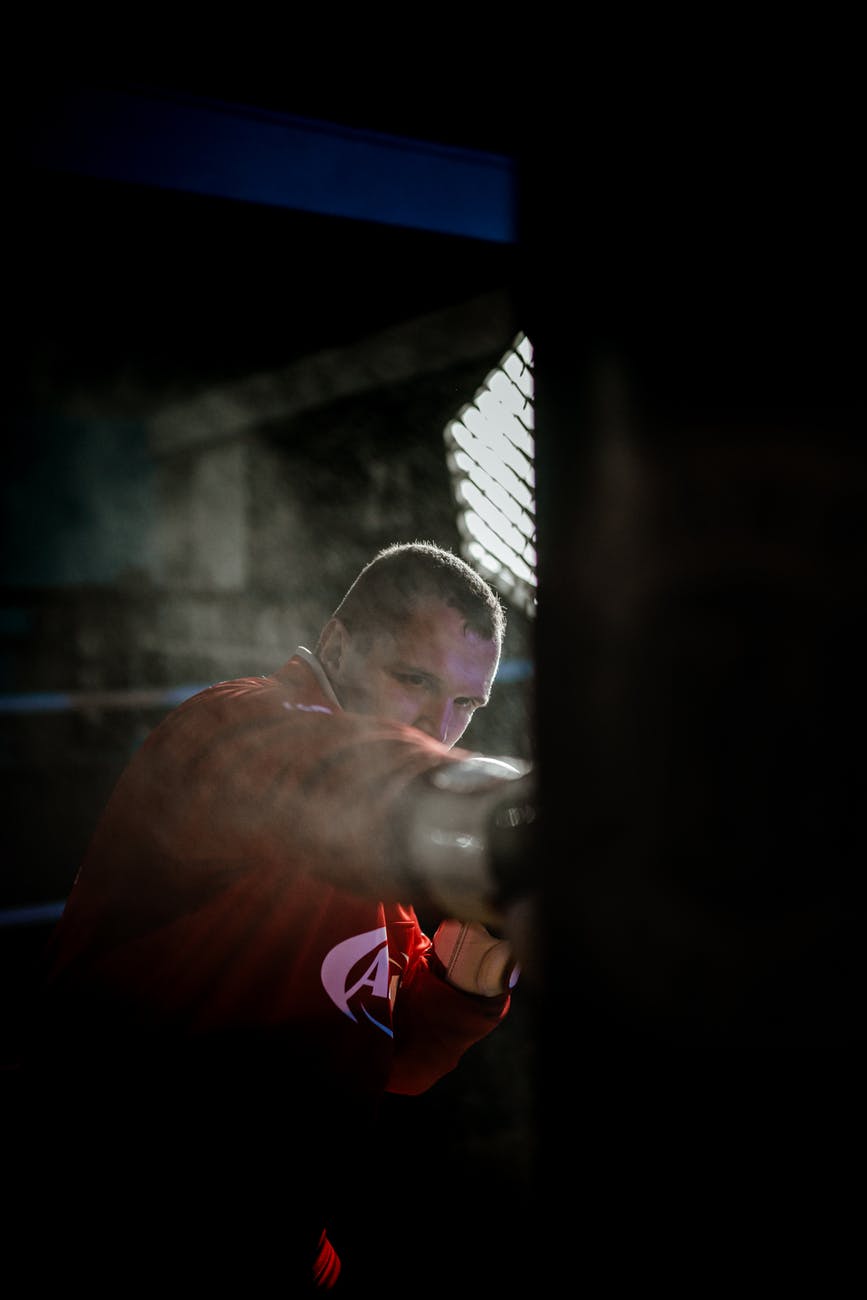
Back when I was at an all-boys high school, if a fight broke out at the school and judged a fair fight, the boys would tie on some boxing gloves and settle their beef in the school gym. The gym teacher would referee the fight, and nobody else was allowed into the gymnasium. After a lot of huffing, puffing, and amateur boxing – the fight was over, and two exhausted boys would stagger out of the double doors, clean up, and got back to class. Shaking hands at the end of part of the ritual. It was time to move. Hopefully closure.
This might sound barbaric, but it dealt with young boys’ emotions head-on, and it buried the hatchet then and there.
What destroys relationships is not fighting, it’s festering. These days we can’t and won’t get into a boxing ring with each other, but the lesson here is don’t bear a grudge, clear the air and say your piece. Holding onto anger is exhausting!
Some things look for when deciding where to live:

 markbartels.org