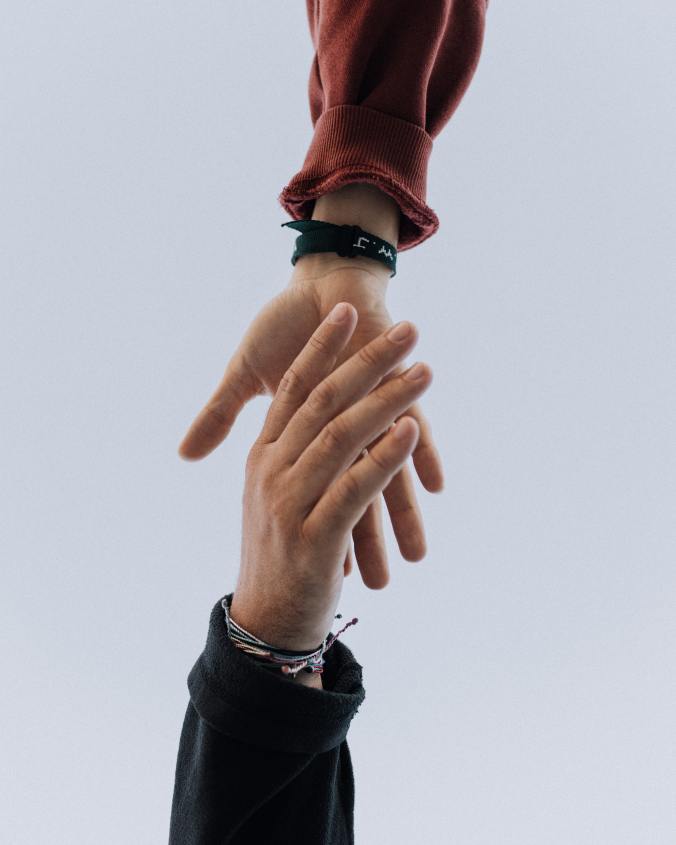
Show up early and show up often

My wife took away a valuable little tidbit after chatting to a doctor friend about the benefits of health supplements like various vitamins and Chinese herbs. 

Her friend told her that vitamins and herbs are beneficial when they show up early and often. Don’t start taking them when you are sick, take them when you are healthy, and build up a defense.

A chiropractor buddy told me the same thing. He said that most of his patients turn up at his door when they have chronic pain. The best time to treat yourself and get aligned is when you aren’t in pain or aren’t overcompensating because of an injury.

Show up early and show up often. This principle can be applied to a lot of things in life.

Friendships

Raising kids

Exercise

Healthy eating

Meditation

Saving cash

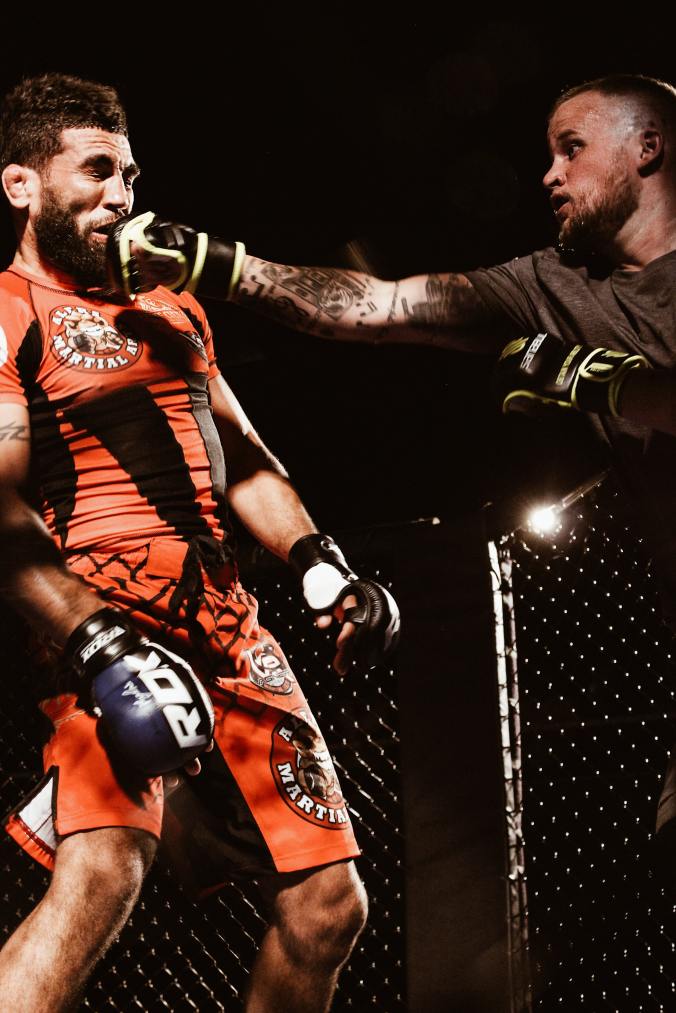
Build up reserves in all these areas, so that you have a cushion when you get knocked on the canvas. A soft cushion means you can get back up quickly, and it’s not a knock out blow when you take an uppercut out of the blue.
baylee-gramling-5m4Z14SDL80-unsplashPhoto by Baylee Gramling on Unsplash


The Peace of Wild Things

The Peace of Wild Things by Wendell Berry

When despair for the world grows in me

and I wake in the night at the least sound

in fear of what my life and my children’s lives may be,

I go and lie down where the wood drake

rests in his beauty on the water, and the great heron feeds.

I come into the peace of wild things

who do not tax their lives with forethought

of grief. I come into the presence of still water.

And I feel above me the day-blind stars

waiting with their light. For a time

I rest in the grace of the world, and am free.

ray-hennessy-6O50hqkyNqA-unsplashPhoto by Ray Hennessy on Unsplash

2020 New Year’s Resolutions

How are your 2020 New Year’s resolutions doing in the COVID-19 world?

Let me guess, they went something like this:

  • Join the gym/yoga studio/spin class
  • Learn the guitar
  • Practice a new language
  • See more friends
  • Spend more time with family
  • Travel
  • Drink less
  • Eat healthily
  • Less stress
  • etc. etc.

Will our 2021 resolutions be different now that we’ve been reminded about the fragility of our rituals and customs.

“Man makes plans . . . and God laughs.” – Michael Chabon

albert-renn-lGJ94zoZRvw-unsplashPhoto by ALBERT RENN on Unsplash

We will meet again

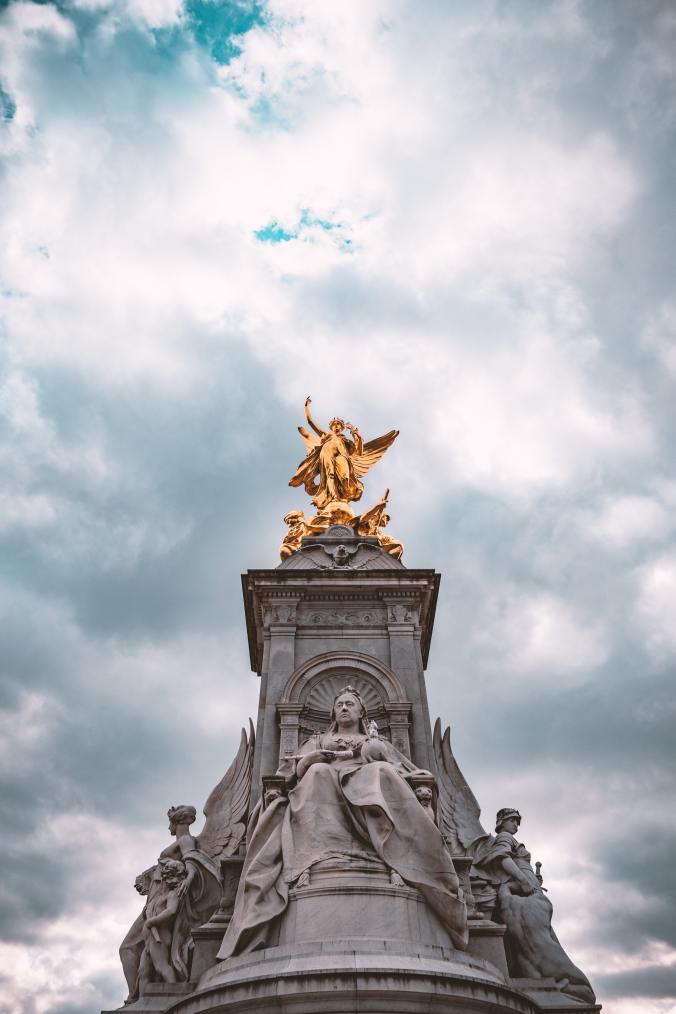
“We should take comfort that while we may have more still to endure, better days will return: we will be with our friends again; we will be with our families again; we will meet again.” – Queen Elizabeth, 2020

I needed this today. When someone like the Queen who saw the beginning and end of WWII offers guidance and encouragement, it’s best to be quiet and listen.

Notice the message isn’t all roses and hope. She knows from experience that there will be difficult times ahead, and the recovery will be long, but we need to endure.

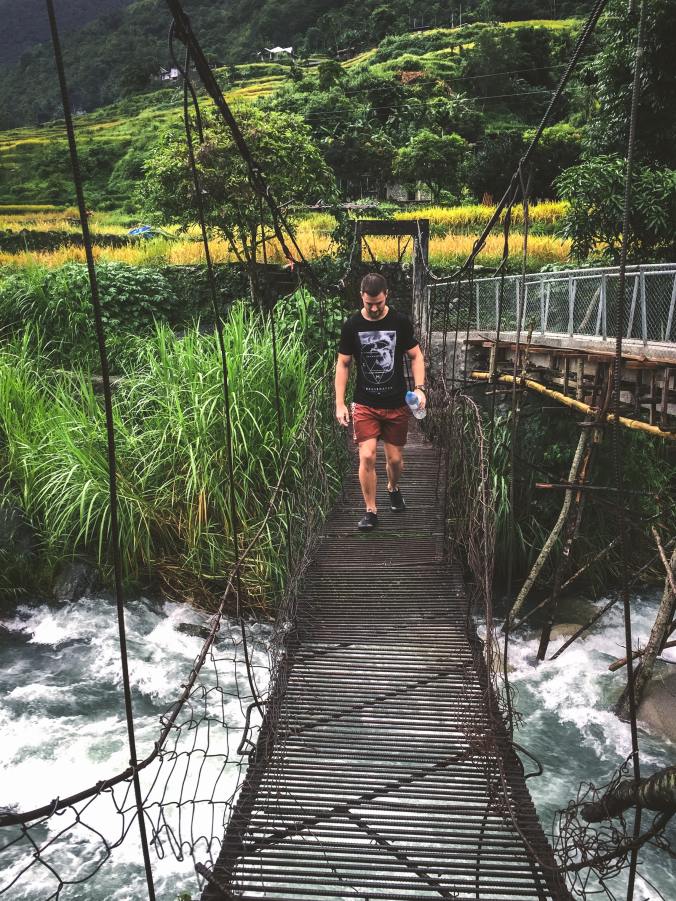
Nobody likes a bridge to nowhere. Her message is the bridge we need to believe in. It’s the promise of reunification and normalcy on the other side.

felix-bacher-gyZPxvGoU0A-unsplash


Photo by Felix Bacher on Unsplash

The realm of the unknown

Some of the smartest people I know are not afraid of not knowing things. Most of the time, they are never 100% certain about anything. They don’t fall into the trap of thinking they are experts in every field and will freely admit there are things they know nothing about. It’s unnerving. They ask a lot of simple questions that everyone else is afraid to ask because they might look stupid. They are comfortable in the realm of the unknown.

Learning happens when we dare to step into the realm of the unknown. By not knowing and not pretending to know, we begin to get more comfortable with feeling our way through the dark new rooms and finding the light switch.

2020 is like one big dark room. We can either curl up in a ball, or we can start slowly adjusting our eyes to the darkness and seek out the light switch We all have to get used to being frightened by the unknowns. When will this end, will it flare back up, what does a post-COVID world look like? Let’s figure it out together by asking questions and adopting the beginner mindset.

“In the beginner’s mind there are many possibilities, but in the expert’s there are few” ― Shunryu Suzuki

kwame-anim-vlMWM_GWgoE-unsplashPhoto by Kwame Anim on Unsplash

No vax, no visa

The World Health Organization estimates that the flu kills 290,000 to 650,000 people per year.

In the age of COVID-19, I’m surprised we tolerated this high number for an annual respiratory disease that could be suppressed with better hygiene, social distancing, mandatory vaccinations. Over the past few years, we’ve collectively shrugged and come to accept a  brutal and debilitating annual flu season. People will keep dying from the flu until we change our habits and rituals.

Once we are through COVID-19 here are a couple things we need to keep up and change:

  • Stay home if you are sick. There needs to be social pressure and public shaming if someone comes to work sick.
  • Wear a mask if you feel sick. You are protecting others, and it should be celebrated.
  • Temperature checks in airports, malls, offices.
  • Countries, where the virus is eradicated, will require vaccines as part of a travel visa approval. No vaccine, no visa.
  • Disband and reboot the way we frisk and touch travelers at airports. Everything should be digital. We built security apparatuses to detect guns and bombs but have done nothing to stop the virus from boarding a plane. An anti-vaxer is far more dangerous than a purple-haired granny who sets off the metal detector.
  • Offer generous sick leave benefits. Don’t work with or for people who don’t offer this as part of the employment.
  • Install sanitizing stations everywhere. They need to be as ubiquitous as drinking fountains and trash cans.
  • Encourage working from home.
  • Stop flying so much. You don’t need to go to Hawaii every year. Instead, take a road trip and see your own backyard.
  • Cut back on traveling for business. Sales meetings can be done via video conferencing.
  • Stop shaking hands, hugging, and kissing when saying hello and goodbye.
  • Buy locally produced food. Eating a seasonal diet will boost your immune system, strengthen your community economy, and you’ll better understand the source of what’s going into your mouth.
  • The best vitamin is fitness, sunshine. Exercise every day. Reward healthy, vaccinated people with lower taxes, lower health insurance premiums, lower interest rates on their mortgages, etc.
  • Roll out mandatory and trackable digital vaccine verifications.
  • Attack Climate Change the same way we are attacking COVID-19. The adverse side effects of Climate Change like pollution, drought, famine, floods, fires will displace and kill more people than influenza if we don’t act now.

We don’t have to accept 650,000 people dying every year as usual. Let’s fix it.

katee-lue-s9laK07dK2A-unsplashPhoto by Katee Lue on Unsplash


Tightly wound tubes and handshakes

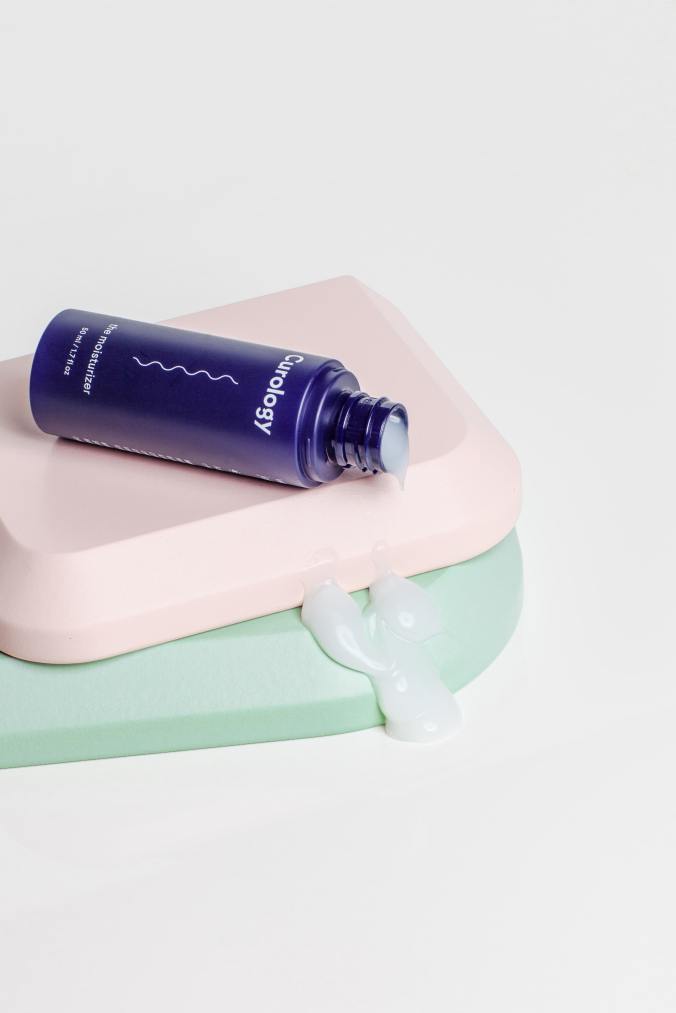
Today, tubes containing toothpaste are soft, malleable plastic, but it used to be in a collapsible metal tube. The kind that would ooze out when the cap was unscrewed.

My grandfather would use a piece of wire to extract every last bit from the metal tube. When the container was almost empty, he wound the bottom around a thin metal rod and then slowly rolled it up. The winding compressed the metal and squeezed out the remaining paste.

The end result was a tight roll of metal that looked like a mini-yoga mat or cigarette. Living through two World Wars and an economic depression taught him to waste nothing.

In our age of excess, people might think rolling a tube is a waste of time and roll their eyes. If something is running low, then just throw it away and order another one on Amazon.

Post COVID-19, 40 years from now, our grandchildren will shake their heads when we insist on washing hands, avoid shaking hands, keep our distance from a cough, or hide a secret stash of antibiotics under our bed.

I hope some hard-earned habits stick around this time.

curology-fm1JKDItlVM-unsplashPhoto by Curology on Unsplash


Running into the fire

Operational experience is critical when it comes to learning and improving.

My father-in-law cut his teeth as a new doctor delivering babies at Parkland Hospital in Texas, which is one of the leading U.S. hospitals by the number of annual births. It was the best place to learn because the quickest way to excellence in any discipline is to get into the action and repeat, repeat, repeat.

I read today that twenty health care workers – 12 physicians and eight nurses from UCSF in San Francisco are flying to New York to help their fellow citizens. This is incredibly brave and courageous. Two hundred people volunteered, which also says something about UCSF and its culture.

While others do their duty and shelter in place, these healthcare workers are moving into the danger zone. It reminded me why the US flag is backward on military uniforms. It is because the flag gives the effect of flying in the breeze as the wearer moves forward into battle.

These brave souls will return to San Francisco as better physicians and nurses because they have seen the heat of the battle and learned.  New York wins, San Francisco wins, we all win.

Let’s roll.

Source photo Fezbot2000


Band of Brothers and Sisters

Band of Brothers is an American war miniseries. The series dramatizes the history of “Easy” Company during WWII. The men fight, laugh, and cry together through countless battles as they move across Europe towards Berlin. Good men are lost along the way, leaders emerge in the heat of the action, and cowards show their true colors. They forge bonds lasting a lifetime.

Combat or “operational experience” is a critical ingredient required for promotion in the military. In the heat of the battle, rites of passage that normally take years, take place in days.

People will connect and rise to the occasion in the same way during the 2020 lockdown and fight against COVID-19.

In New York, the unofficial rule is seven years of living in the city until you can call yourself a New Yorker. Those silly rules don’t matter anymore. If you lived through the lockdown in cities like San Francisco, New York, or London, then you will be a local. It’s a baptism of fire, banding together as good citizens, doing their part in the battle to beat COVID.

In companies, there will be pre-COVID and post COVID employee cohorts. “Campfire” stories will be told about friends and colleagues who rolled up their sleeves, served their customers, looked after each other, made sacrifices and saw it through to fight another day. There will be battlefield promotions and demotions as people step up. The COVID alumni networks will outlast any LinkedIn connections made over the last 10+ year bull market.

Now we fight. We will tell stories later.

‘We few, we happy few, we band of brothers’

austin-kehmeier-lyiKExA4zQA-unsplashPhoto by Austin Kehmeier on Unsplash

Seek out and listen to your tribal elders

If you don’t own the results of your decisions over an extended period and take accountability for the implementation and results, then you don’t learn.

Small business owners like doctors, chefs, grocers, plumbers, electricians do this every day. They are in the arena every day, getting their hands dirty.

In the coming months, we are going to hear a lot from talking heads on television and Facebook about who deserves to take the tax stimulus, who needs a bailout, and who should be left out to dry. Most of these people haven’t built or run anything in their lives. It’s all academic to them, and they don’t own anything they are pontificating about.

Seek out and listen to your tribal elders about finding your way through this uncertainty. Sound judgment and wisdom come from making mistakes in the arena, picking yourself up, and persisting. That’s where the learning is found. These elders were once in the same position as you, and that’s why they are trying to help.

https://www.youtube.com/watch?v=dKG4ED00_8M