Keep granny and grandpa home

In Western Anglo Saxon culture, old people get shipped off to old age homes and care facilities. Multi-generational living a not the done thing. In other cultures, multi-generational living is expected and celebrated.

I’ve written about this before, but three or four-generation families under one roof are seen as a blessing. Family knowledge, heirlooms, and folklore are passed down and kept alive. The grandkids keep the grandparents young and useful. Young at heart grandparents are also excellent baby sitters and companions.

A quick google search surfaced a couple of stats. ~80% of Americans would prefer to die at home. Despite this, 60% of Americans die in acute care hospitals, 20% in nursing homes and only 20% at home

I’ve been reading the sad and disturbing news about how the COVID-19 coronavirus is running rampant through old age homes. There’s nowhere for these old people to run, and they are sitting ducks if one person contracts the virus. They would be a lot safer in family homes surrounded by younger and healthier family members who can help stay out of harm’s way and monitor them closely.

I hope we recognize and appreciate families who look after their aging parents in the same way that we look after young people, Just like there are benefits like free government schools for kids, maybe we should change the tax system and design support systems to reward families who offer full-time home care to their aging parents.
jesse-roberts-561igiTyvSk-unsplashPhoto by Jesse Roberts on Unsplash

You don’t have to see it to believe it

I remember my first earthquake. I was on the 30th floor of a San Francisco highrise. I was working late, and when the shaking started and walls creaked, I thought it was a night shift cleaners vacuuming and cleaning the office next door to me. When it didn’t stop and watched my desk shaking, I started to panic. I have a pre-earthquake life and a post-earthquake life. In my pre-earthquake world, the earth didn’t move under my feet, and a stable foundation was a sure thing. In my post-earthquake world, the earth moves, and I know that it can all come down. In the Bay Area, it’s not a matter of if, it’s a matter of when. I’d read about the 1906 quake and the Loma Prieta 1989 quake, but I only accepted it could happen to me until I felt the earth move.

Pre 2008, I believed that if I saved money every month, ran the models, and played by the rules, then healthy retirement was guaranteed. In 2008 Lehman Brothers went bankrupt, and the normal rules didn’t apply anymore. People’s 401ks were depleted and the setback years. I’d read about significant pullbacks in the markets, but I only accepted it could happen to me when I watched by 401k get slashed by the 2009 recession.

We treat pandemics, extreme weather events, bush fires, and climate change the same way. Most people only move away from below sea level places or flee from hot fire zones once they nearly lose their homes during a flood or fire.

I’ll make this mistake again, but I’m also aware enough to look back and not repeat the same flawed thinking. Just because it hasn’t happened to me doesn’t mean I’m immune to it.

  1. History repeats itself
  2. Things are cyclical
  3. Listen to the experts and then think for yourself
  4. Trust your gut and take action
  5. The sentiment of the crowd is a lagging indicator. By the time the masses know it’s too late.
  6. Don’t panic, prepare

rolands-varsbergs-s7fVceSaiiw-unsplashPhoto by Rolands Varsbergs on Unsplash

We Interrupt Your Regularly Scheduled Programming to Bring You This Breaking News

I read this on Bloomberg and have shares the highlights here. Good job everyone!

  • We are living longer
  • We are healthier
  • Child mortality is down
  • Poverty is decreasing
  • Literacy is increasing
  • We’re killing each other less
  • In 2017, 96.1% of the population survived their first five years, compared to 56.7% in 1800
  • Our body temperatures are dropping due to a steady decrease in inflammation. In short, we’re getting healthier – and living longer

We’ve got real problems to solve out there like global warming, killer viruses, heart disease, texting & driving, and saving the koalas. But it’s also good to remember the wins.

spacex-MEW1f-yu2KI-unsplashPhoto by SpaceX on Unsplash

Give it a moment

If your kid is crying at night, give it 5 minutes before you go through. A lot of the time, the self-soothe themselves back to sleep.

If you are feeling under the weather, take a day off, get some sleep, self medicate, and give your body time to help itself heal. If nothing has changed after a day or so, then visit the doctor. Hospitals and doctor’s offices are Petri dishes. You are more at risk at the hospital than at home if all you have is a common cold. Most of the time all you need is some rest and a little love. You don’t need a doctor to tell you that.

If you receive an email, slack, or text that activates you and you want to angrily respond, then switch tabs for a bit or go for a walk. Back in the pen and paper day, people had days to respond, and the sun still came up the next day.

If you’ve cleaned your plate and want to go back for more, take breath and enjoy some wine instead. Five minutes later you’ll probably not need a second helping of food.

If you have finished up some deep work, then stop, label the file correctly, and back it up in under the correct category. Less haste, more speed.

99% of things in life don’t need an instant response. And sometimes your response can be “I’m going to give it some more time,” or “I don’t know, what do you think”?

paola-chaaya-eAkjzXCU0p0-unsplashPhoto by Paola Chaaya on Unsplash

A date with destiny

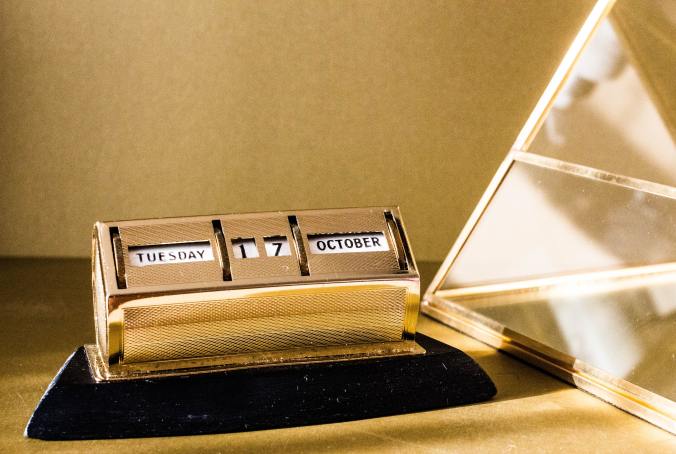
What would it be like if everyone you ever loved had a date that hovered above their head? The date was the day they were going to die. Similar to the expiry date on food in the grocery store. You were the only one who can see the date, and you can’t tell anyone.

Would it change the way you treated them? Maybe you’d be more forgiving, perhaps you’d be more present and savor your moments together.

We enjoy life more when we accept that life is finite and that everyone has a date above their head whether we can see it or not.

charisse-kenion-5vl1eKNp98s-unsplashPhoto by Charisse Kenion on Unsplash

Three kinds of airmen

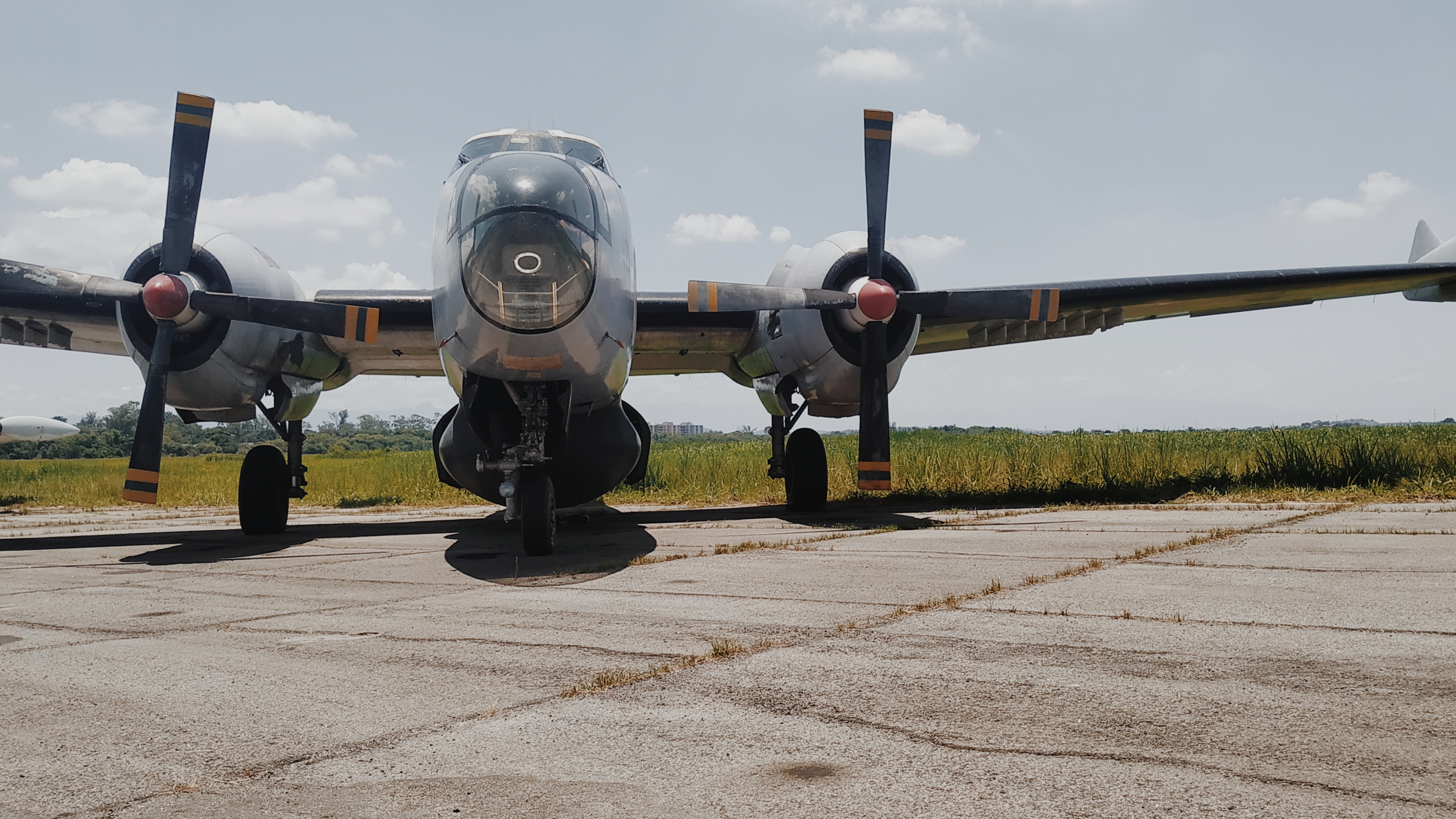
During World War II my grandmother worked with the RAF. Her job was to profile pilots based on their personalities, risk appetite, and temperament.

She used to say there were three buckets:

Fighter pilot, Bomber pilot, and Bomber navigator.

The fighter pilot profile was young, arrogant, quick decision-maker, and big risk-taker. 

The bomber pilot profile was older, calm under pressure and deliberate. Someone who would stay the course and complete the mission, make small adjustments, listen to his navigator, complete the mission and protect his crew. 

The bomber navigator profile was cool as a cucumber, unemotional and precise. When all hell was breaking loose around him, he would continue to deliver the coordinates and guide the pilot.

After the war ended she regularly used these profile tools whenever she met someone. Think about this next time you interview someone or are deciding whether to trust them. What do you need them to do and what type of airman are they?

(As I was writing this I think the one trait that all these pilots possessed in spades was courage and bravery.)

renan-araujo-S4wZk8CSmw4-unsplashPhoto by Renan Araujo on Unsplash

Don’t listen to what people say, watch that they do.

This is worth your time. James Baldwin responds to Yale philosophy professor Paul Weiss on a talk show.

My takeaway: Don’t listen to what people say, watch that they do.

When someone shows you who they are, believe them the first time – Maya Angelou

Managing bad luck vs. good luck

Good luck doesn’t always lead to success. You need to capitalize on the good luck event and take advantage of else it’ll be squandered.

Bad luck sometimes leads to absolute failure and there will be nothing you can do about. The downside risk of bad luck is way greater than the upside of good luck. The downside effects are non linear – it comes out of nowhere and can end you.

Do what you can to manage downside risk. Flying a plane is always a good metaphor – as long as you can land the plane and keep it intact then you can take off again. If the plane crashes and burns then you are a goner. No plane and you are dead. 

alexander-andrews-bS_3A546Xog-unsplashPhoto by Alexander Andrews on Unsplash

Fatal catalysts

When an elderly person breaks their hip and loses their independence, it’s usually the beginning of a downhill slide. Once they are bedridden and lose mobility, then other body and brain stuff start to fail. They die from another cause, but it’s the broken hip that was the fatal catalyst.

Keep an eye out for fatal catalysts. Young people are not immune to it either, although the cycle is longer. A nasty cold stops them from exercising every day. Less exercise means more fatigue and worse eating habits. Maybe sugar intake increases as a supplement for the exercise endorphin kick. The common cold was the catalyst to an unhealthy lifestyle and a broken routine.

The benefit of youth is that the body is resilient and bounces back, but it still requires energy and discipline to get back into the good rituals and routines. Old people don’t get second, third or fourth chances. Use them wisely when you are young.

abigail-keenan-YMVGhdhEgLY-unsplashPhoto by Abigail Keenan on Unsplash

Old habits die hard

When I was six years old, we moved to a new home in the same neighborhood. The new house was a good ten-minute walk from our old one, but it all felt very new, with different road noises, creaky floors and different routes to school. The first few days were disorientating and unsettling.

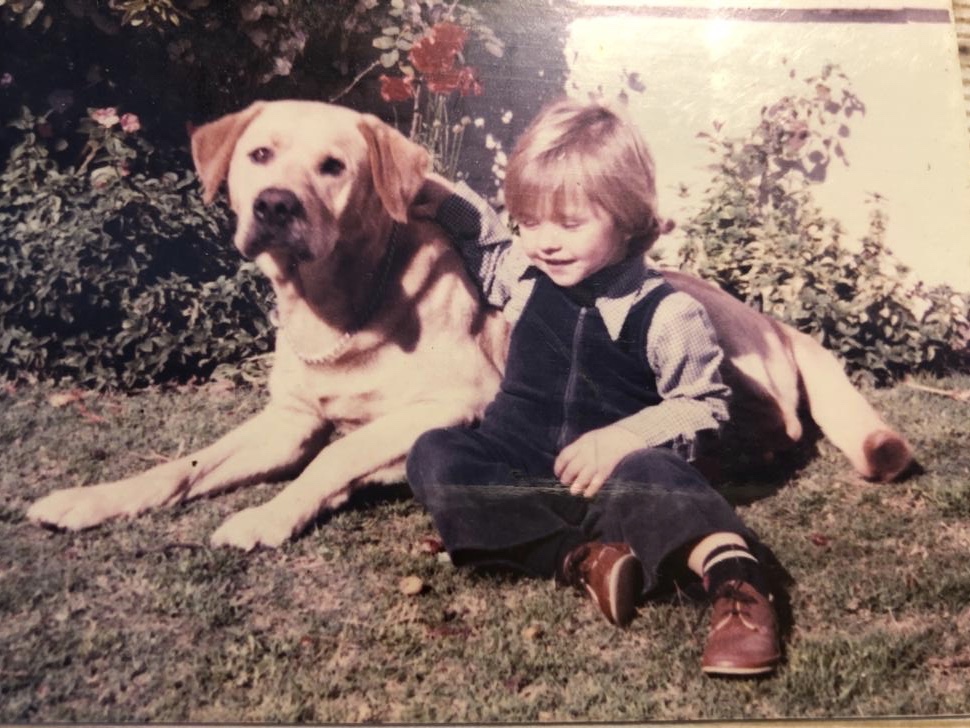
The day after we moved in, our old labrador who had been with my family before I was born, went missing. My dad finally found him walking back to our old house. The dog had jumped the gate and was on his way back to his old home. Even though none of us lived there anymore he still saw it as his center.

Last month our favorite local coffee shop closed down. I still find myself walking past the closed shop in the mornings even though there’s no more coffee brewing, and the familiar faces I saw every morning have scattered around the neighborhood. I’m just like our old labrador, plodding back to my old home that doesn’t exist anymore.

After a bit, I’ll find a new morning pathway to a new local, new faces and new friends. It always works this way, but I’ve learned to savor the “no-mans land” moments between old and new rituals, as I wait for the new one to appear.

Me and our lab circa 1980’s